
Fiber Focus • October 2024
The Science of Natural Temperature Regulation
Natural fibers like organic cotton and bamboo have inherent properties that help regulate body temperature throughout the night. Unlike synthetic materials that trap heat, these fibers allow air to circulate, wicking away moisture and maintaining a comfortable sleeping environment.
Research suggests that maintaining an optimal sleep temperature—typically between 60 and 67 degrees Fahrenheit—can significantly improve sleep quality. Natural fibers support this by adapting to your body's temperature changes, keeping you cool when you're warm and warm when you're cool.
Read More
Mindfulness • September 2024
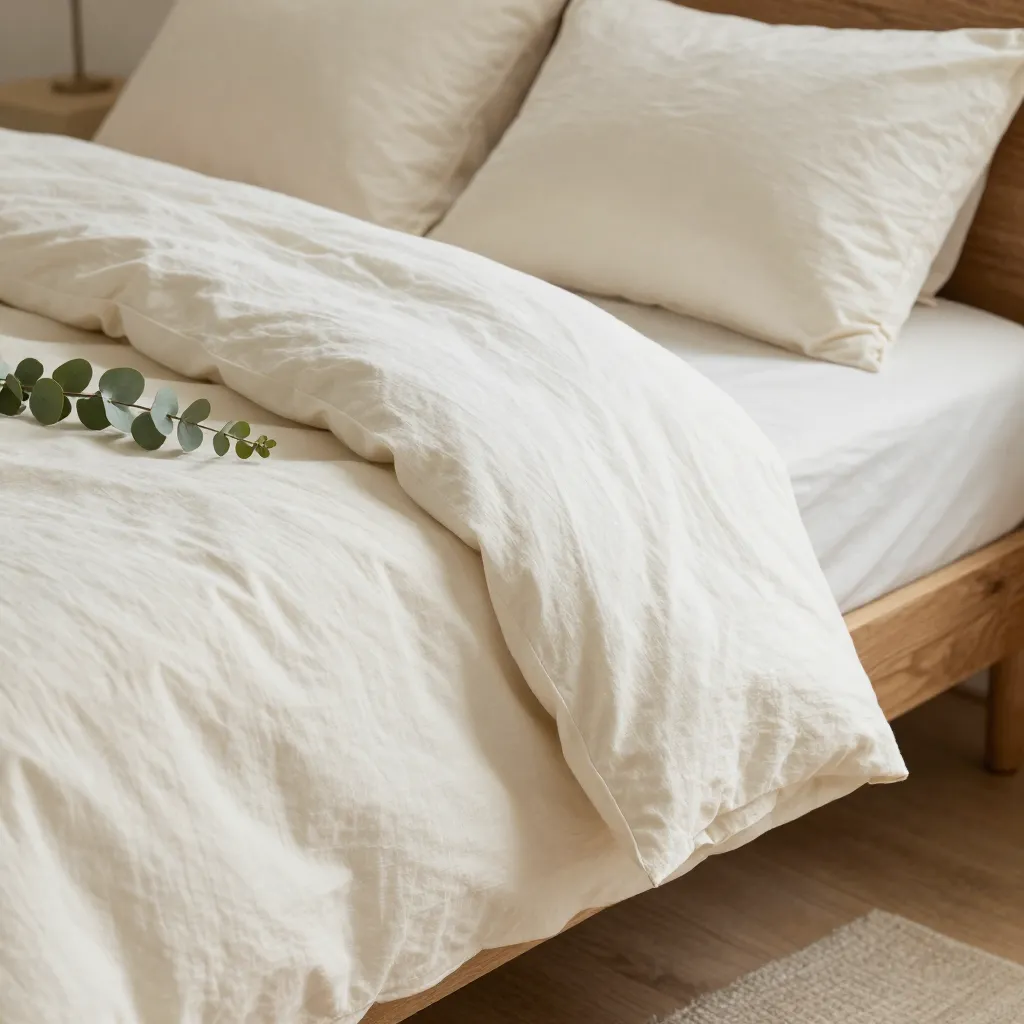
Creating a Mindful Bedtime Ritual
Your bedroom should be a sanctuary—a place where you can disconnect from the day's stresses and prepare your mind and body for rest. Creating a mindful bedtime ritual can help signal to your nervous system that it's time to wind down.
Start by making your bed each morning. This simple act creates order and sets an intention for the space. In the evening, take a few moments to appreciate the textures and materials around you. Notice how your bedding feels against your skin, how the natural fibers breathe with you.
Read More
Home Environment • August 2024
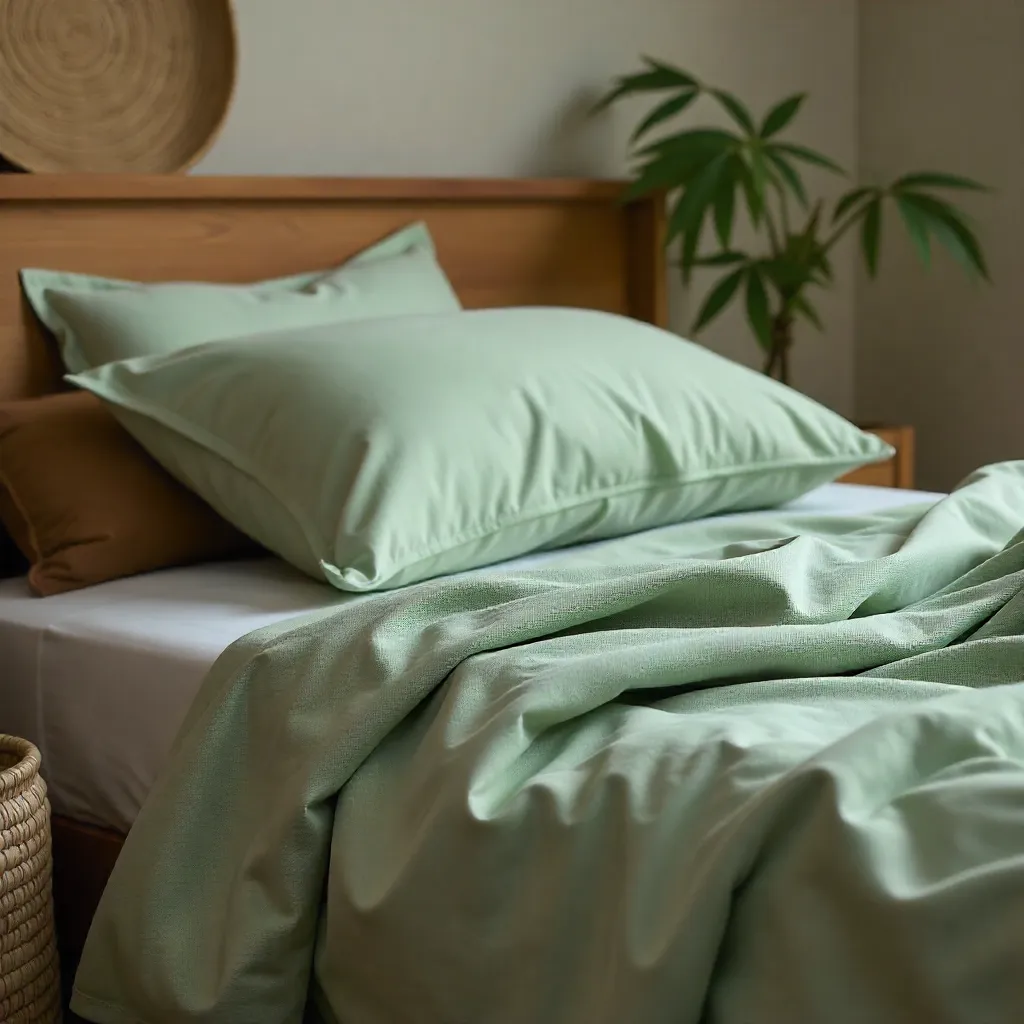
Toxins and Textiles: What You Should Know
Many conventional textiles are treated with chemicals during manufacturing—from pesticides used in growing cotton to synthetic dyes and finishing agents. These chemicals can off-gas over time, potentially affecting indoor air quality.
Organic textiles, certified by standards like GOTS, are grown and processed without harmful chemicals. This means fewer toxins in your home environment and less impact on the planet. When you choose organic bedding, you're choosing materials that are safer for you and your family.
Read More
Fiber Focus • July 2024
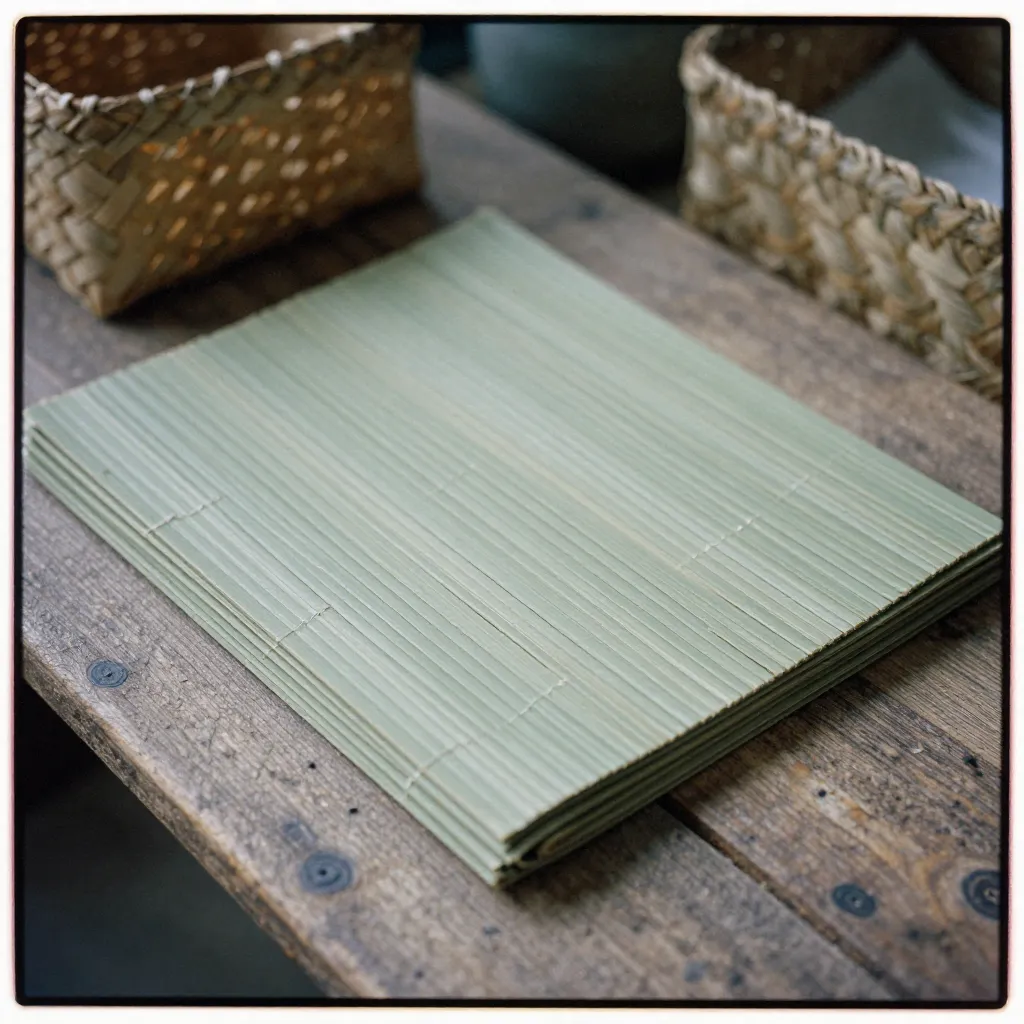
Understanding Bamboo: A Sustainable Choice
Bamboo is one of the fastest-growing plants on Earth, making it an incredibly sustainable resource. When processed into fabric, bamboo fibers create a material that's naturally antimicrobial, moisture-wicking, and temperature-regulating.
The production process matters, though. Look for bamboo textiles that use closed-loop processing systems, which recycle water and minimize chemical use. This ensures that the environmental benefits of bamboo are realized throughout the entire production cycle.
Read More